Understanding the Backpack Problem: Weight and Ergonomics
The increasing prevalence of heavy school backpacks has sparked a significant concern among parents, educators, and healthcare professionals. Research indicates that many children carry packs that exceed the recommended weight limit, which is generally advised to be no more than 10-15% of a child’s body weight. The weight of school supplies, textbooks, and technological devices often leads to cumbersome loads that can adversely affect children’s posture and overall physical health.
Ergonomics plays a vital role in addressing the backpack dilemma. A well-designed backpack should feature padded shoulder straps, a hip belt, and multiple compartments to distribute weight evenly across the body. Poorly designed or improperly worn backpacks can lead to musculoskeletal issues, including back pain, shoulder strain, and poor alignment. Studies have shown that children who consistently carry heavy or improperly fitted backpacks may experience long-term health consequences, including chronic back pain and postural issues.
Parents should be vigilant for physical signs that may indicate a child is experiencing issues due to their backpack. Symptoms such as complaints of back or shoulder pain, noticeable posture changes, or frequent fatigue can signal the need to reconsider the backpack’s design and contents. Additionally, children may develop habits such as leaning forward or hunching over, which can exacerbate stress on the spine and muscles.
In conjunction with proper backpack selection, an emphasis on selecting lightweight textbooks and utilizing digital resources can alleviate some of the burdens. The advancement of technology offers viable alternatives, thereby reducing the necessity of carrying heavy materials. Ultimately, making informed choices about backpack design, as well as monitoring a child’s load, is essential for promoting healthy physical development and preventing long-term repercussions related to backpack misuse.
Identifying Solutions: Key Features to Look For
Choosing the right school backpack for children in 2025 requires careful consideration of several essential features. Parents should prioritize the weight of the backpack since a lightweight design can significantly reduce strain on a child’s back and shoulders. The ideal backpack should weigh no more than 10% of the child’s body weight, promoting comfort and preventing potential posture issues. Alongside weight, size is crucial. A backpack that is too large can encourage children to carry excessive items, while one that is too small may not accommodate their school supplies. Ensuring the right size will facilitate appropriate organization and daily usability.
Material is another significant factor to consider, as it affects durability, maintenance, and overall comfort. Opting for a backpack made from water-resistant and tear-resistant materials can safeguard belongings from inclement weather and wear and tear. Furthermore, attention to ergonomics is vital. Backpacks designed with padded shoulder straps, adjustable straps, and an ergonomic back panel create a better fit, distributing weight more evenly. This design minimizes the risk of growth deformities or musculoskeletal disorders, thus enhancing the child’s physical well-being.
Advancements in technology have introduced innovative features in modern backpacks. Parents should look for designs with multiple compartments to aid organization and accessibility. Some backpacks are equipped with built-in charging ports or LED lights for visibility during low-light conditions. These features not only enhance practicality but also align with students’ evolving demands in a digital age. Ultimately, selecting a school backpack involves balancing functionality, comfort, and safety to support the child’s academic journey, ensuring that it meets their specific needs while fostering good habits and health practices.
Top 5 Backpacks of 2025: Parent-Approved Picks from Amazon
As parents search for reliable solutions to the common issues associated with school backpacks, Amazon offers a range of options that have garnered positive feedback from users. Here is a curated list of the top five backpacks of 2025, specifically designed with children’s needs in mind, featuring key attributes that help alleviate concerns regarding comfort and durability.
1. The Ergonomic Scholar Backpack
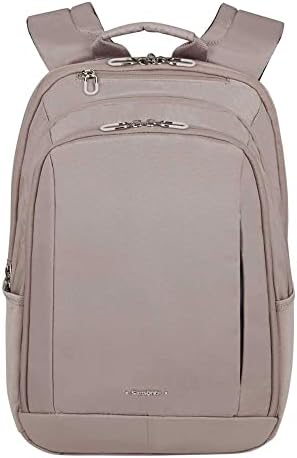
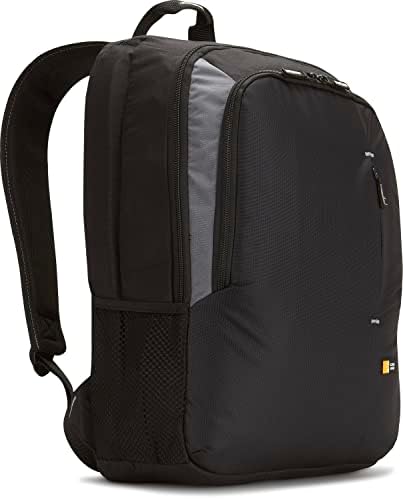
The Ergonomic Scholar Backpack is designed with padded shoulder straps and a breathable back panel, ensuring maximum comfort for little backs. It features multiple compartments for organized storage and is made from waterproof material. Parents have praised its durability, stating that it withstands daily wear and tear. Pricing starts at $49.99.
2. The SmartLoad Backpack
Equipped with an innovative load-balancing system, the SmartLoad Backpack distributes weight evenly to prevent strain. It includes reflective materials for added safety during evening commutes. Users appreciate the adjustable straps, which accommodate growing children. Its retail price is approximately $59.99.
3. The Eco-Friendly Adventure Pack
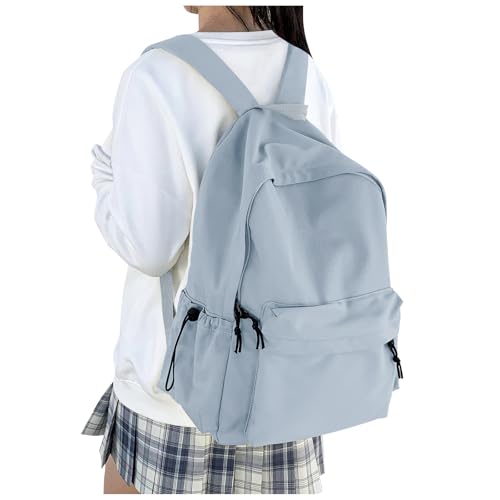
For environmentally conscious families, The Eco-Friendly Adventure Pack is crafted from recycled materials. It features a stylish design and provides ample space for books and school supplies. Parents report that this backpack is both functional and eye-catching, priced at around $45.99.
4. The Ultra-Light Sling Bag
This sling bag is ideal for minimalists or for those who prefer a lightweight option. Made from resilient nylon, it offers water resistance and a sleek design. Users note how easy it is to access items quickly, making it a favorite among teens. Its cost is about $35.99.
5. The Versatile Rolling Backpack
Combining the benefits of a traditional backpack with a rolling option, this versatile backpack is perfect for heavy loads. It includes sturdy wheels and a retractable handle, reducing the strain on young shoulders. Parents highlight its convenience for transporting larger items, priced at $69.99.
Choosing the right backpack can significantly influence a child’s overall school experience. These parent-approved selections available on Amazon for 2025 not only cater to style and convenience but also prioritize the ergonomic health of growing students.
Conclusion: Making Informed Choices for Our Children’s Health
Choosing the right backpack for children is a critical decision with implications that extend beyond mere practicality. As parents, it is essential to recognize that the school backpack dilemma significantly affects our children’s health, comfort, and overall well-being. With an increasing amount of resources that children carry daily, selecting a suitable backpack can mitigate potential physical strain and promote healthier habits.
When shopping for a backpack, parents should consider factors such as weight distribution, size relative to the child, and ergonomic features. Backpacks designed with padded shoulder straps and adjustable components can help reduce the risk of musculoskeletal issues, which are becoming increasingly common among school-aged children. Additionally, a lightweight backpack can minimize the overall burden carried to and from school, contributing to better posture and reduced fatigue.
In addition to the physical aspects, it is crucial to emphasize the psychological impact of a well-chosen backpack. Children are more likely to take pride in their school gear when it reflects their personal style while also providing necessary functionality. This can foster a positive attitude towards school and learning, further impacting their academic performance and social interactions. Therefore, versatility and aesthetic appeal should not be overlooked during the selection process.
Finally, we encourage parents to engage their children in this decision-making process. Discussing preferences and involving them in the selection gives children a sense of ownership and helps them understand the importance of making informed choices. By considering health, comfort, and personal style, parents can foster thoughtful habits that benefit their children’s future. Thus, investing time in selecting the right school backpack will ultimately contribute to creating an environment where our children can thrive academically and personally.